In the stainless steel industry, many buyers often wonder: "Why do two tanks that look exactly the same have such different prices?"
At first glance, they may seem identical in design and size - but behind the surface lie differences in material quality, workmanship, and component standards that truly determine the final cost and performance.
1. Material Cost - The Foundation of Durability and Quality
The type and quality of stainless steel directly affect both the price and the lifespan of the product.
Common grades include 201, 304, and 316L - and the difference between them is significant.
- 201 Stainless Steel: Low nickel content and poor corrosion resistance. It's cheaper but often used in low-cost products without proper labeling or chemical composition certificates. This type is not suitable for industries where hygiene, durability, or anti-corrosion are critical (such as food, beverage, or chemical storage).
- 304 Stainless Steel: The most widely used industrial grade, offering excellent formability and corrosion resistance. It is suitable for general-purpose tanks in food processing, daily-use liquid storage, and light industrial applications.
- 316L Stainless Steel: Enhanced with molybdenum to improve resistance to chlorides and aggressive chemicals. It is ideal for marine environments, high-salinity applications, and pharmaceutical or fine chemical industries that require top-level corrosion resistance.
In addition, the origin of raw materials plays a key role in cost.
- Steel from nationally certified mills - such as POSCO Zhangjiagang, TISCO, Baosteel, or Dongfang Special Steel - ensures stable chemical composition, traceability, and quality consistency.
- Smaller mills may offer lower prices but often lack these guarantees.
Another overlooked factor is the surface protection of materials.
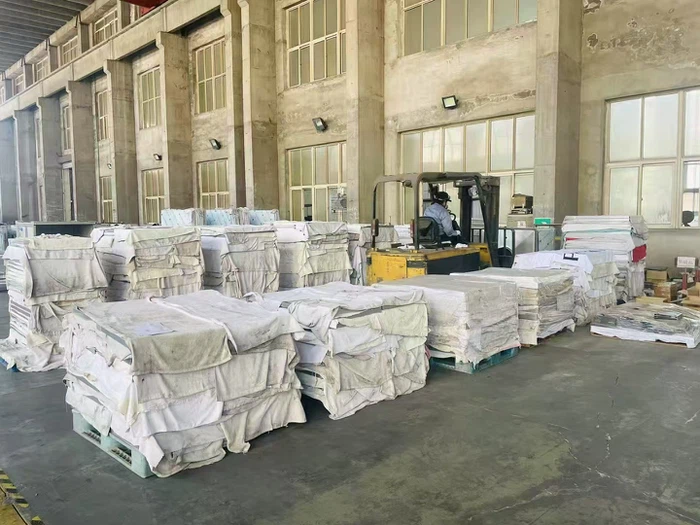
- High-end manufacturers use double-sided protective film on stainless steel sheets to prevent scratches during transportation and fabrication. This ensures a clean and smooth surface finish. In contrast, cheaper materials without protection are easily damaged before assembly even begins.
2. Labor Cost - The Invisible Power of Craftsmanship
Welding is one of the most critical processes in tank fabrication.
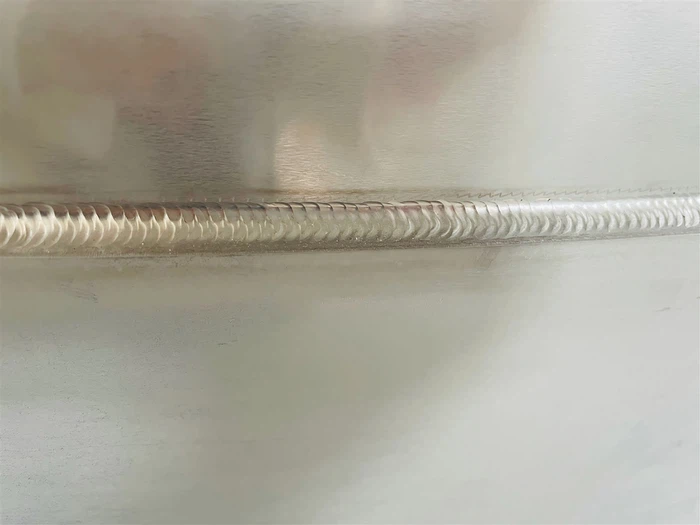
A skilled welder not only ensures beautiful, even weld seams but also guarantees tightness, strength, and long-term reliability.
Professional welders can achieve one-time precision welding - without leakage, porosity, or cracks. However, such workmanship naturally requires higher labor costs.
Less experienced workers, on the other hand, may save a few dollars at first but create potential risks that lead to leakage or structural failure later.
In short: the value of good welding is invisible until a problem happens - and by then, it's too late.
3. Valves and Accessories - Small Parts, Big Differences
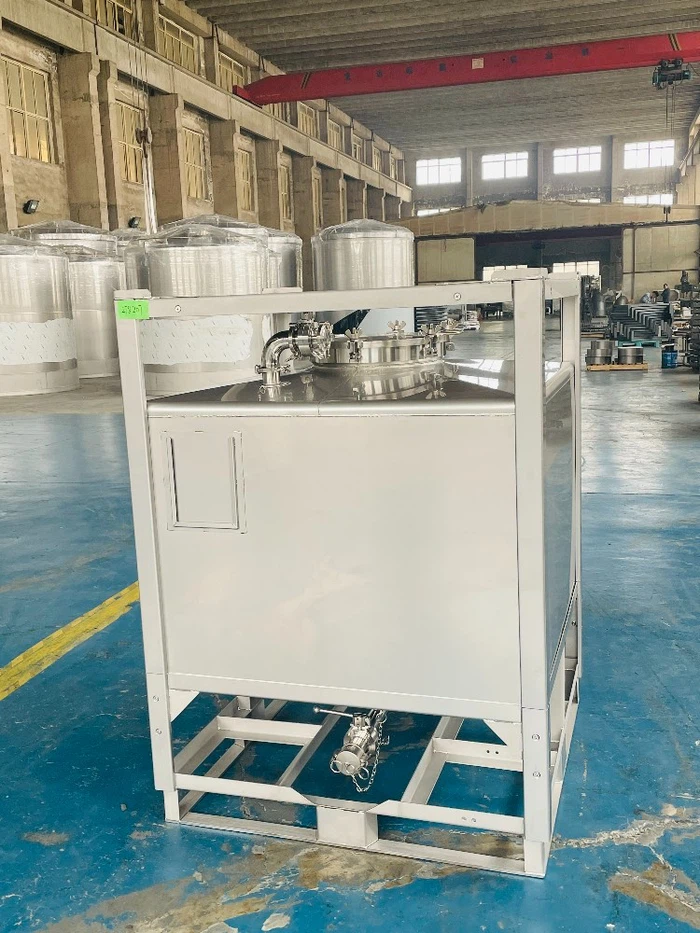
Valves, flanges, fittings, level gauges, and manholes may seem minor, but their quality directly affects a tank's durability and safety.
Accessories in the market are usually divided into light-duty, medium-duty, and heavy-duty.
Some are made entirely from stainless steel, while others only use stainless steel for the inner liquid-contact parts and cheaper materials elsewhere.
This "partial stainless" design can significantly reduce costs - but it also reduces lifespan, especially in corrosive or high-pressure environments.
For long-term reliability, full stainless steel components are always the smarter investment.
The BaoXiang Commitment - 30 Years of Consistent Quality
With over 30 years of manufacturing and export experience, BaoXiang has built its reputation on integrity, craftsmanship, and reliability - regardless of order size or destination. We adhere to the following principles in every production process:
- Raw Materials
Only use stainless steel from certified large-scale mills (mainly POSCO and TISCO).
Provide corresponding mill test certificates for all materials.
Use double-sided film protection for every sheet and apply towels and padding during fabrication to protect the surface.
- Welding Craftsmanship
All welders are senior professionals with over 10 years of experience.
Weld seams can pass third-party tests such as macro inspection, dye penetrant testing, and radiographic inspection.
- Valves & Fittings
We select accessories according to customer requirements, but always ensure they are 100% stainless steel, never compromising quality.
- Full Transparency & Traceability
Every order is fully traceable and open to inspection at any stage.
Before delivery, we provide quality reports, production records, hydrostatic and pneumatic test records, and full documentation for customer assurance.
Conclusion
Price differences don't just reflect the appearance of a product - they reflect the standards behind it.
A truly high-quality stainless steel tank is not simply "not broken" - it is crafted with precision, tested with integrity, and proven over time.
At BaoXiang, we believe that every detail matters.
When you choose BaoXiang, you are not only choosing a tank - you are choosing a reliable, transparent, and responsible manufacturing partner who stands behind every product we make.